Choosing residential mental health treatment is a significant decision, and the people providing that care matter just as much as the environment in which treatment takes place. At The Ark, our clinical professionals and support staff work together to create an experience that is personal, thoughtful and centred around the individual. Our mental health treatment team in south africa brings together professionals from several disciplines so that clients can receive coordinated support throughout their time with us. Mental health concerns are rarely limited to one part of a person’s life. Emotional wellbeing can be influenced by relationships, physical health, trauma, work, family responsibilities, substance use, major life changes and the ways someone has learned to respond to stress. For that reason, effective treatment often requires more than one perspective. Our team works collaboratively to understand the complete picture rather than reducing a person to a diagnosis or a single symptom.
Every member of The Ark contributes to the environment in which treatment takes place. Clinical professionals guide assessment and therapeutic care, while the wider team helps create the structure, comfort and consistency that allows clients to focus more fully on their wellbeing. From the first admissions conversation through everyday life on campus, each interaction contributes to how supported a person feels.
The profiles below provide an opportunity to learn more about the qualifications, professional experience and roles of the individuals who make up The Ark. Prospective clients and families can explore the team before making a decision, understand the range of expertise available and become more familiar with the people involved in treatment. Transparency about the people providing care is an important part of building trust. Choosing treatment often begins with a conversation, but confidence in the people behind that treatment can make taking the next step easier. Our mental health treatment team in south africa is committed to providing thoughtful, coordinated and personalised support for people seeking meaningful change. Whether you are considering treatment for yourself or exploring options for someone you love, we invite you to learn more about the professionals and staff who help make The Ark a place for recovery, reflection and renewed wellbeing.
Meet The Mental Health Treatment Team & Other Professionals
Management Team
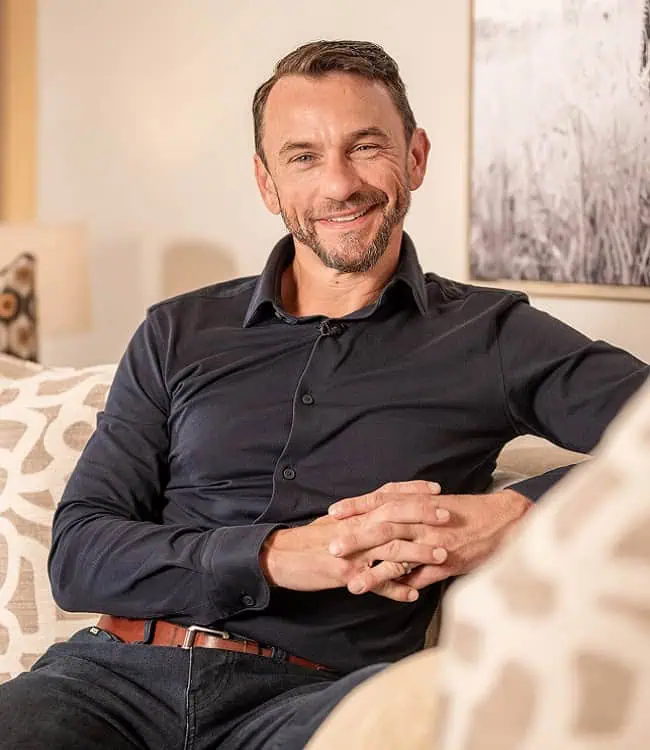
Giles Fourie
Director & Co-founder

Jeanine Fourie
Clinical Director & Co-founder

Jerry Hartless
Co-founder
Clinical Team

Nokwanda du Plessis
Clinical Psychologist

Gert Janse Van -Rensburg
Clinical Manager / Clinical Psychologist

Dr Sharon Boyce
Counselling & Equine-Assisted Psychologist
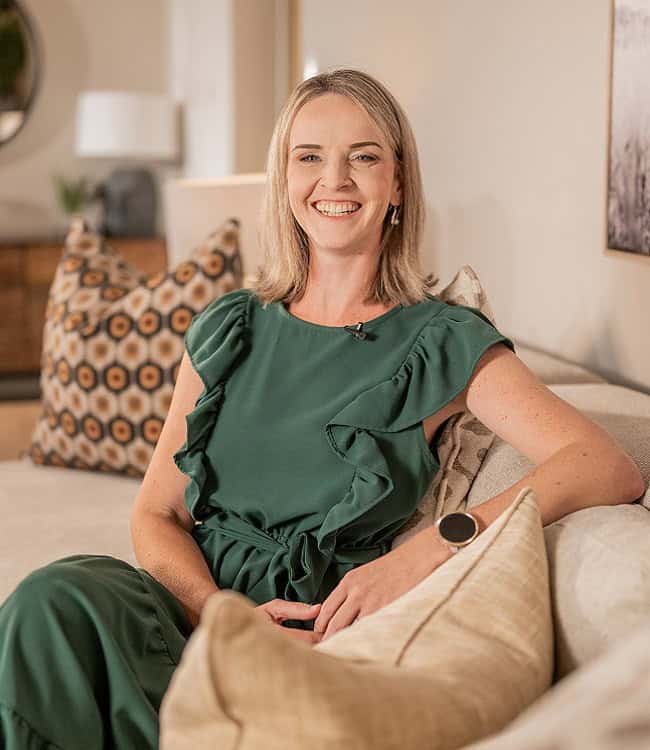
Mariaan Wiltshire
Occupational Therapist

Caroline Erdmann
Equine-Assisted Therapist

Dr Lenie Galloway
Social Worker & Trauma Specialist

Dr. Mabule Lucas Mothapo
Consulting General Practitioner

Professor Elisabeth Weiss
Specialist Psychiatrist
Holistic Support Team

Elarda Bunting
Art Facilitator
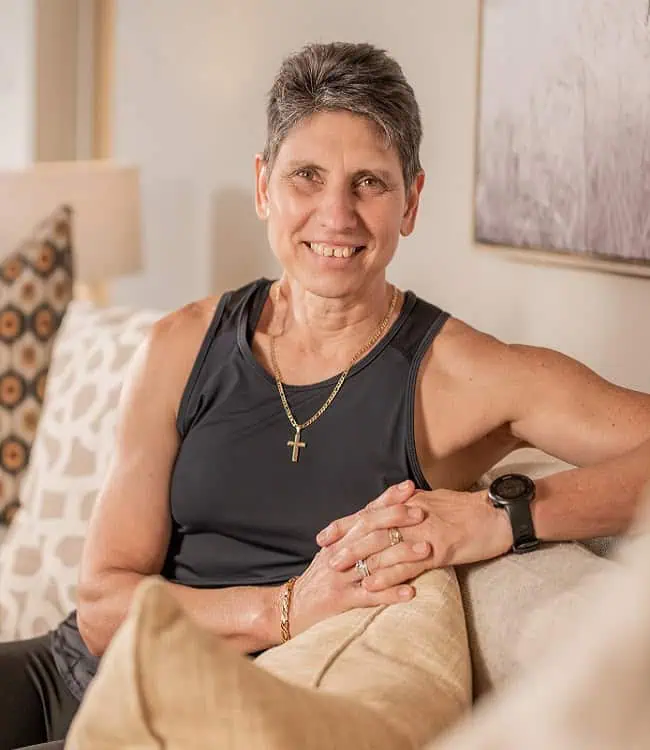
Yolanda Lizamore
Personal Trainer
Administrative & Admissions Team

Nomcembo Simba
Reception & Front House Manager

Andre Zamfir
Admissions Manager

Victoria Laubscher
Admissions Assistant
Stephané Mulder
Admissions Assistant
Why Choose a mental health treatment team in south africa?
The Ark is built around the belief that meaningful mental health care should consider the whole person. Our clinical professionals bring together expertise across psychiatry, psychology, therapy, occupational support and complementary approaches to wellbeing. Each discipline provides a different perspective on the challenges a client may be facing. Together, those perspectives can create a more complete understanding of emotional health, behaviour, relationships and everyday functioning.
A psychiatrist may help evaluate symptoms, medication needs and broader clinical considerations, while psychologists and therapists can help clients explore the emotional experiences and patterns contributing to their current difficulties. Occupational and therapeutic professionals can focus on how those insights translate into daily routines, relationships, coping strategies and practical skills. Other members of the team contribute to the environment, structure and consistency of residential care. The result is an approach in which treatment is not limited to what happens inside a single therapy session.
Care That Begins With Understanding the Individual
No two people arrive at The Ark with exactly the same story. One client may be experiencing persistent anxiety while another is struggling with depression, emotional exhaustion or the effects of unresolved trauma. Someone else may appear highly successful professionally while privately feeling disconnected, overwhelmed or unable to continue at the same pace. Our mental health treatment team in south africa begins by listening carefully to the circumstances, experiences and goals that have brought each individual to treatment.
That process is important because symptoms often have more than one contributing factor. Sleep, family relationships, work pressure, grief, physical wellbeing, substance use, past experiences and current responsibilities can all influence how someone feels and functions. Understanding these connections allows treatment to reflect the individual rather than requiring the individual to fit a predetermined programme. As treatment progresses, the plan can change as new insights emerge and different needs become more apparent.
Psychiatric Expertise Within a Supportive Environment
Psychiatric care can play an important role in understanding complex mental health concerns and determining the level of clinical support that may be appropriate. At The Ark, psychiatric input forms part of a wider treatment environment where clinical assessment can be considered alongside psychological, emotional and practical needs. This means that medication, diagnosis and symptom management do not need to exist separately from the rest of the treatment experience.
Our mental health treatment team in south africa works to connect psychiatric care with the broader therapeutic process. When psychiatric assessment or medication management is appropriate, those decisions can be considered in relation to the client’s overall needs and goals. Communication between professionals helps create continuity between different areas of care. A client’s progress in therapy may provide useful context for other clinical decisions, just as changes in symptoms can influence the direction of therapeutic work. This coordinated approach helps treatment remain responsive as the individual progresses.
Different therapeutic settings allow clients to explore both their internal experiences and the ways they relate to the people around them.
Learn More About Our Luxury Mental Health Services. Call:
+27-60-011-5087
Psychology and Therapeutic Support
Psychological care creates space for clients to explore what they are experiencing with greater honesty, curiosity and perspective. Therapy can help someone understand patterns that have developed over many years, process difficult experiences, recognise emotional triggers and begin developing healthier ways of responding to stress. It can also provide a place to examine questions involving identity, relationships, achievement, grief, purpose and the pressures that may have contributed to emotional distress. The role of our mental health treatment team in south africa is not to prescribe what a client’s life should look like. Instead, the team helps each person better understand their own experiences and identify changes that may support a healthier future. Individual therapy can provide privacy for deeper personal work, while group settings may create connection, perspective and opportunities to learn from shared experiences. Family involvement may also form part of treatment when appropriate. Different therapeutic settings allow clients to explore both their internal experiences and the ways they relate to the people around them.
Supporting More Than Symptoms
A person can develop significant insight in therapy and still find it difficult to apply that understanding when daily life resumes. Residential treatment provides an opportunity to practise new routines, communication skills and coping strategies in a structured setting before returning to familiar pressures and responsibilities. This is one reason the wider clinical and support team can be so important throughout treatment.
Our mental health treatment team in south africa considers the relationship between emotional wellbeing and everyday functioning. Clients may explore routines involving sleep, movement, personal boundaries, relationships, stress management and self care. They may also begin recognising the situations, expectations or patterns that consistently leave them feeling overwhelmed. Therapeutic experiences outside formal sessions can provide additional opportunities to practise reflection and emotional regulation.
Over time, these everyday changes can help make the work completed in treatment more practical and sustainable.
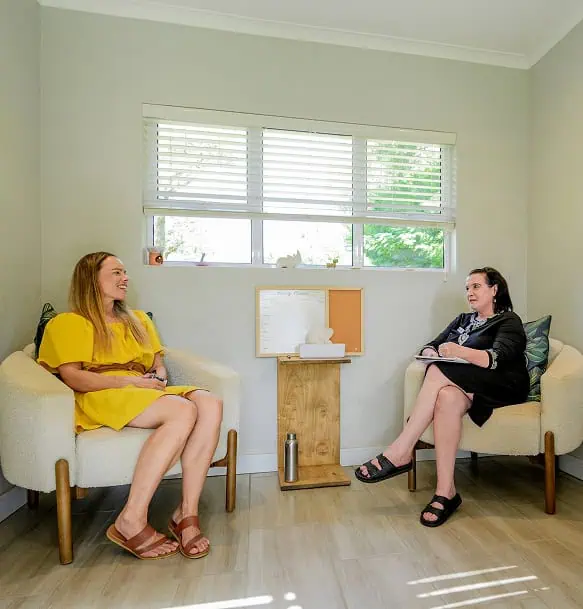
Creating Safety, Trust and Human Connection
Clinical qualifications and professional experience matter, but so does the relationship a person develops with the people supporting them. Many clients arrive in treatment feeling uncertain, vulnerable or hesitant to speak openly about what they have been experiencing. Building trust takes time. It depends on being treated with dignity, respect and genuine compassion.
Good mental health care involves listening as well as assessing, asking questions as well as providing recommendations and recognising that different people respond to support in different ways. Some clients may need encouragement to communicate openly, while others may need time before they feel comfortable discussing difficult experiences. Effective care also requires clear professional boundaries and an appreciation for the fact that every individual brings their own culture, values, history and expectations into treatment. Those human elements can help create an environment where clients feel better able to participate honestly in the recovery process.
Mental health treatment can involve many areas of professional expertise because emotional wellbeing affects so many aspects of life. Psychiatry may provide assessment and support around symptoms and medication, while psychology can help clients explore thought patterns, emotions, trauma and behaviour. Occupational support can address how mental health concerns influence routine, purpose, independence and everyday functioning. Complementary therapeutic approaches can create additional opportunities for expression, reflection and connection. The aim is not to provide more treatment simply for the sake of providing more treatment. Each part of the programme should have a reason for being included and should relate to the needs of the individual. Someone experiencing severe burnout may require a different combination of support than a person processing trauma, depression or a significant life transition. Individualised care allows those differences to guide the treatment process rather than assuming that every person will benefit from exactly the same approach.
Supporting International Clients and Families
Travelling to another country for residential mental health treatment can create additional questions for both clients and their families. People may want to understand who will be involved in their care, how communication works, what happens during admission and how treatment will be coordinated once they arrive. Families may also want reassurance that their loved one will be surrounded by experienced professionals within a structured and supportive environment.
The Ark welcomes individuals travelling from South Africa and international markets, and our mental health treatment team in south africa is an important part of the reassurance we want clients and families to experience from the beginning. Travelling for treatment can provide meaningful distance from the routines and pressures of everyday life, but that distance should not create uncertainty about the care someone will receive. The team helps create continuity from initial assessment through treatment planning and the eventual transition home. Where appropriate, communication with families may also form part of the broader treatment process.
International clients often arrive after managing demanding careers, family responsibilities or long periods of emotional strain. Some have already tried outpatient therapy or other forms of support and recognise that they need more focused time away. Others may simply feel that their usual environment makes it difficult to slow down and engage fully with treatment. A residential setting provides the opportunity to temporarily remove many of those distractions. The clinical team then helps ensure that the time away is purposeful and connected to clear therapeutic goals.
The Importance of the Wider Staff
Not every meaningful interaction during residential treatment takes place with a psychiatrist or psychologist. The wider staff contributes to the consistency, structure and atmosphere clients experience each day. Feeling welcomed, respected and cared for across the campus can influence how comfortable someone feels during what may be a vulnerable period in their life. Residential treatment is an environment as well as a clinical programme. Daily routines, meals, activities, shared spaces and interactions with staff all contribute to the overall experience. When those elements are handled thoughtfully, clients have fewer unnecessary distractions from the work they came to do. A supportive environment can create the stability needed for individuals to focus more fully on their emotional and psychological wellbeing. This is why both clinical professionals and the broader staff play an important role at The Ark.
Experienced Care With a Personal Approach
Professional expertise provides an important foundation for quality treatment, but expertise should never make care feel distant or impersonal. Clients should feel able to ask questions, understand the purpose behind their treatment and participate meaningfully in decisions affecting their wellbeing. A personal approach recognises that individuals are active participants in their own recovery.
Treatment can involve difficult conversations and moments of uncertainty. There may be days when a client feels encouraged by their progress and others when the work feels challenging. Having professionals who understand that process can provide consistency during both. The relationship between the client and treatment team can become an important part of creating the trust required for deeper therapeutic work.
Speak With Our Team
You do not need to know exactly what type of support you need before reaching out. Our admissions team can listen to what has been happening, answer questions about the treatment environment and help you understand whether The Ark may be appropriate for your circumstances.
Starting a conversation does not commit you to treatment. It simply gives you an opportunity to ask questions, learn more about our approach and better understand the next step available to you. If residential mental health care appears appropriate, our team can guide you through the assessment and admissions process.