Personalised Mental Health Treatment Programs in South Africa
Finding the right level of care can feel overwhelming, especially when mental health concerns have begun affecting relationships, work, daily routines or overall quality of life. At The Ark, our mental health treatment programs in South Africa are designed to provide structured, individualised support within a private residential setting in White River. Each program is built around the understanding that no two people experience emotional or psychological challenges in exactly the same way. Treatment begins with understanding the person rather than simply identifying a diagnosis. Our clinical team considers symptoms, personal history, current circumstances, family relationships, physical wellbeing and the challenges that have brought someone to treatment. This allows care to be shaped around the individual from the beginning.
The result is a treatment experience that can evolve as the client progresses.
A Complete Approach to Mental Health Treatment
The Ark brings together psychiatric care, psychological therapy, occupational support and restorative therapeutic experiences within one coordinated environment. Our mental health treatment programs in South Africa are not designed to operate as isolated services, but as parts of a broader treatment plan that can be adapted according to each client’s needs.
Some clients may require intensive psychiatric assessment and individual therapy, while others may benefit from greater emphasis on trauma work, group therapy, occupational support or family involvement. Complementary approaches such as mindfulness, equine assisted therapy, art therapy and music therapy can provide additional opportunities for emotional expression, reflection and connection. The combination of these services allows treatment to address both immediate concerns and the wider patterns that may be contributing to emotional distress.
Programme Inclusions and Additional Support
The services outlined below reflect the revised psychology and occupational therapy allocations, together with The Ark’s current psychiatry and social-work offerings. These allocations represent the baseline clinical and therapeutic services included within each programme and are structured according to the length of stay. Each client’s treatment plan remains individual to their clinical needs, circumstances and goals. Where additional psychology, occupational therapy, psychiatry, social-work, medical or wellness sessions are clinically indicated, or where a client requests additional support, these can be arranged separately and may be billed in addition to the standard programme fee.
Please note the following:
- For stays of 14 days or longer, clients receive two individual psychology sessions and two individual occupational therapy sessions per week.
- GP consultations are arranged according to each client’s clinical needs and are billed separately.
- Group equine therapy is included within the programme. Individual equine therapy can be arranged where clinically appropriate or requested by the client and is billed separately.
- Each programme includes one 60-minute spa treatment per week. Additional treatments can be booked separately.
- Where a range is shown for social-work sessions, the number of sessions provided will depend on the client’s individual needs.
- Additional psychology, occupational therapy, psychiatry or social-work sessions may be recommended as part of a client’s treatment plan and billed separately.
Programme Overview
An overview of the clinical, therapeutic and wellness services included across different lengths of stay at The Ark.
| Programme | Psychology | Occupational Therapy | Psychiatry Follow Up Appointments | GP | Social Work | Group Equine Therapy | Group Movement |
|---|---|---|---|---|---|---|---|
| 5 Days Including a Weekend | 1 session | 1 session | 1 assessment + 1 review | As clinically required | 1 session per week | Included | Included |
| 5 Days During a Full Working Week | 2 sessions | 2 sessions | 1 assessment + 1 review | As clinically required | 1 session per week | Included | Included |
| 7 Days | 2 sessions | 2 sessions | 1 assessment + 1 follow-up | As clinically required | 1 session per week | Included | Included |
| 10 Days | 3 sessions | 3 sessions | 1 assessment + 1 follow-up | As clinically required | 1 session per week | Included | Included |
| 14 Days | 4 sessions | 4 sessions | 1 assessment + 2 follow-ups | As clinically required | 1 session per week | Included | Included |
| 21 Days | 6 sessions | 6 sessions | 1 assessment + 2–3 follow-ups | As clinically required | 1 session per week | Included | Included |
| 28 Days | 8 sessions | 8 sessions | 1 assessment + 3 follow-ups and an exit review | As clinically required | 1 session per week | Included | Included |
Residential Mental Health Treatment
Residential treatment provides clients with the opportunity to step away from the demands and distractions of everyday life and focus more fully on their mental and emotional wellbeing. Clients live on The Ark campus while participating in a structured program supported by experienced mental health professionals.
Residential care can be especially valuable when outpatient support has not provided enough structure, symptoms have become difficult to manage or everyday responsibilities make it hard to focus consistently on recovery. The residential environment provides greater continuity, allowing the treatment team to observe progress, adjust care and support clients throughout the day.
Our residential program also creates space for rest, reflection and the development of healthier routines.

Psychiatric Assessment
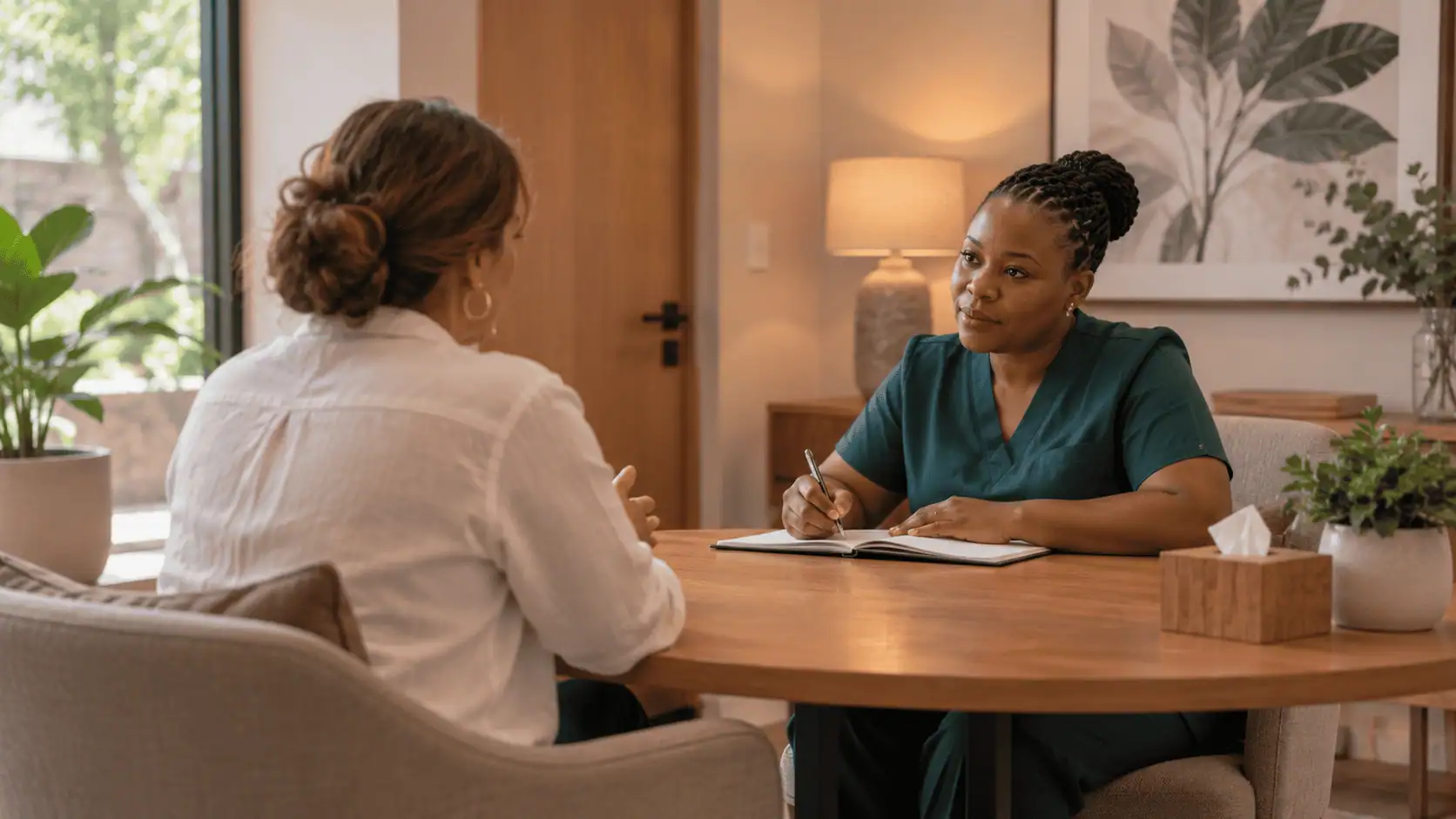
A psychiatric assessment can provide important insight into a person’s symptoms, history, current challenges and treatment needs. At The Ark, psychiatric care forms part of a broader multidisciplinary approach rather than existing separately from the rest of the treatment experience.
Assessment may include a review of emotional symptoms, medical history, medication, previous treatment experiences and other factors that could be influencing mental wellbeing. This process helps create a clearer clinical picture and can guide decisions about the most appropriate forms of treatment.
Psychiatric assessment can also help identify areas that require additional attention as treatment progresses.
Individual Therapy
Individual therapy gives clients dedicated time to explore personal experiences, emotional patterns and the challenges that have contributed to their current situation. Sessions provide a private space to reflect, ask difficult questions and begin developing greater awareness of thoughts, emotions and behaviours.
The therapeutic relationship is an important part of this process. Clients are encouraged to work at a pace that allows meaningful exploration while still feeling supported throughout treatment.
Individual therapy can become a foundation for many of the other services offered at The Ark.

How Our Programs Work Together
Mental health treatment is rarely most effective when every service is treated as a separate experience. Our mental health treatment programs in South Africa are designed to work together so that clients receive care that reflects the complexity of their individual needs. A client may begin with psychiatric assessment and individual therapy before later incorporating group work, occupational therapy or complementary approaches. Another person may require greater emphasis on trauma therapy, family involvement or preparation for life after treatment. These combinations are determined by clinical need rather than by a fixed package.
This flexibility allows the treatment plan to change as the client changes.

Group Therapy
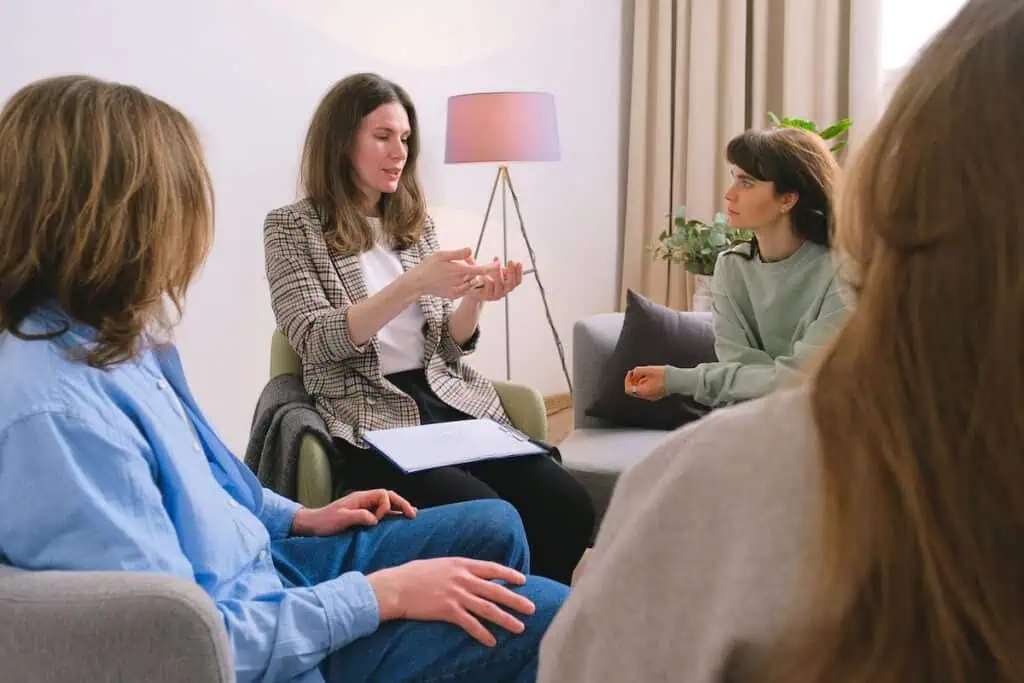
Group therapy offers a different type of therapeutic experience by allowing clients to explore challenges alongside others who may understand aspects of what they are going through. It can provide perspective, connection and the opportunity to recognise that difficult emotions are not experienced in isolation.
Within a professionally facilitated group, clients can practise communication, listen to different viewpoints and learn from shared experiences. Group settings may also help individuals recognise interpersonal patterns that are difficult to identify in individual therapy alone.
For many clients, this sense of connection becomes an important part of residential treatment.
Family Therapy
Mental health concerns often affect more than one person. Relationships, communication patterns and family dynamics can influence both emotional wellbeing and the recovery process.
Family therapy may provide an opportunity to improve communication, develop healthier boundaries and create a better understanding of what a loved one is experiencing. It can also help families identify ways of offering support without unintentionally reinforcing unhealthy patterns.
Family involvement is considered according to the individual circumstances and treatment needs of each client.


Trauma Therapy
Past experiences can continue to influence emotional health long after an event has ended. Trauma may affect relationships, stress responses, sleep, self esteem, decision making and the way someone experiences safety in everyday life.
Trauma therapy provides a structured environment in which clients can begin exploring those experiences with appropriate professional support. Treatment is approached carefully, recognising that trauma work requires trust, preparation and an understanding of the individual’s ability to process difficult material.
Our mental health treatment programs in South Africa allow trauma focused work to take place within a broader residential setting where clients have access to additional clinical and therapeutic support.
Mindfulness Therapy
Mindfulness based practices can help clients develop greater awareness of their thoughts, emotions and physical responses without immediately reacting to them. This can be especially useful for individuals who feel overwhelmed by anxiety, stress or persistent mental activity.
Mindfulness is not intended to remove difficult emotions. Instead, it can help clients develop a different relationship with those experiences and recognise patterns earlier. These skills can become useful tools that clients continue using after leaving The Ark.


Equine Assisted Therapy
Working with horses can provide a unique opportunity to explore trust, communication, emotional regulation and personal boundaries. Because horses respond to behaviour and body language in real time, interactions can offer immediate feedback that may be difficult to experience in a traditional therapy setting. Equine assisted therapy can support reflection and personal insight while also providing time outdoors in a calm and structured environment. The experience is guided by trained professionals and is used as a complementary part of the wider treatment process.
No previous experience with horses is required.
Start Your Mental Health Wellness Journey
Our concierge admissions department is here to assist.
Art Therapy
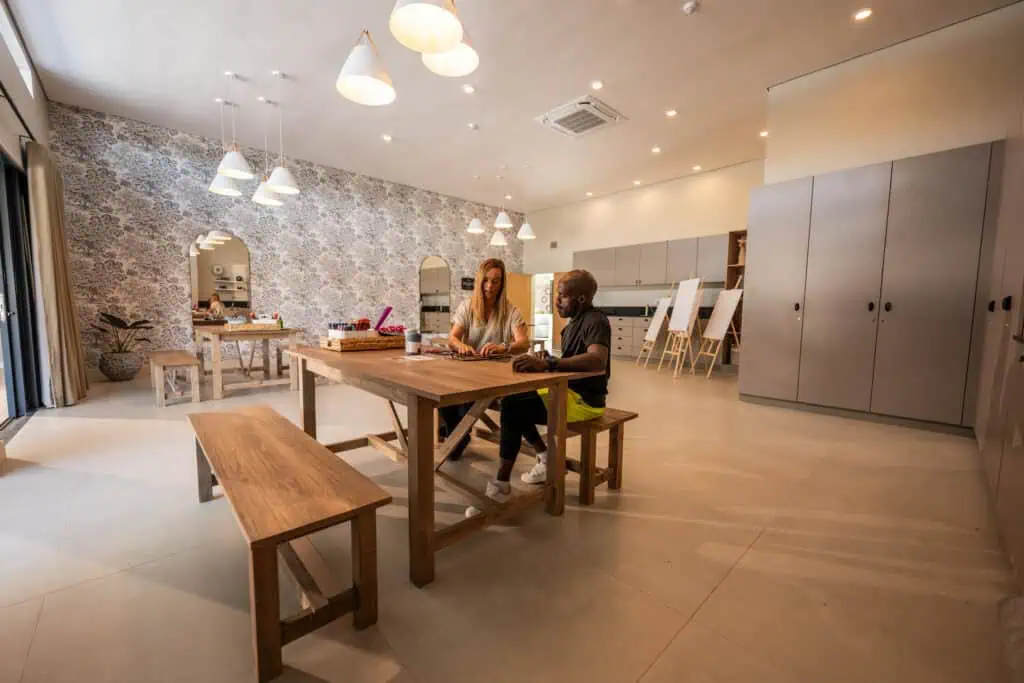
Creative expression can offer another way to explore emotions that may be difficult to communicate through conversation alone. Art therapy allows clients to engage with thoughts, memories and experiences through a structured creative process.
The focus is not on artistic ability. Instead, the process can help clients express emotions, develop insight and explore themes that may be emerging during treatment. Art therapy can complement individual and group work while adding variety to the therapeutic experience.
Music Therapy
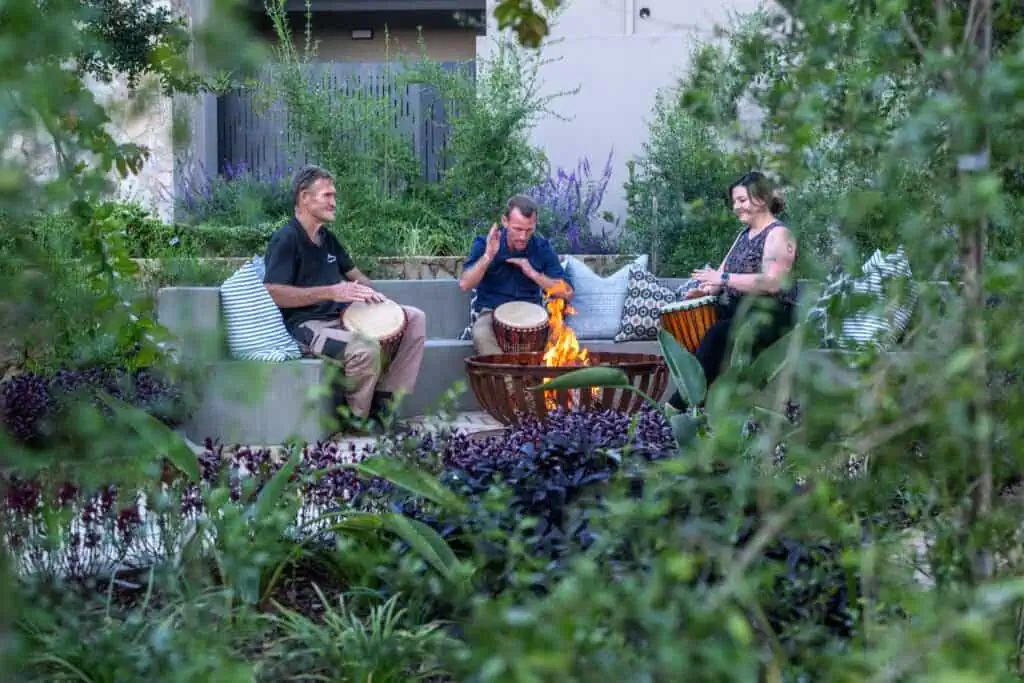
Music can influence memory, emotion and connection in ways that are different from traditional talk therapy. Music therapy may use listening, rhythm, songwriting, discussion or other guided activities to support emotional expression and personal reflection.
Clients do not need to be musicians to benefit from the process. The emphasis is on using music as a therapeutic tool rather than developing performance skills.
Music therapy can provide another meaningful way for clients to connect with their emotions during treatment.
Occupational Therapy
Mental health challenges often affect the practical areas of daily life, including routine, concentration, motivation, independence and a person’s sense of purpose. Occupational therapy helps bridge the gap between clinical insight and everyday functioning.
Clients may work on routines, coping strategies, practical skills and activities that support greater confidence in daily life. This can be particularly valuable when preparing to return home, resume work or rebuild healthy habits after treatment.
Within our mental health treatment programs in South Africa, occupational therapy helps ensure that progress is not limited to what happens inside the therapy room.


Aftercare and Continued Support
Leaving residential treatment is an important transition. The routines, relationships and pressures that existed before admission may still be present when a client returns home.
Aftercare planning helps prepare clients for that transition by identifying ongoing support, healthy routines and strategies for responding to future challenges. Recommendations may include continued therapy, psychiatric support, family involvement or other appropriate services.
The goal is to help clients leave The Ark with a clearer plan for maintaining the progress they have made.
Online Mental Health Support
For some individuals, continued support after leaving residential treatment can be provided remotely. Online mental health support can help maintain continuity when a client returns home, especially for those travelling internationally.
Remote support may also provide another option for individuals who are not currently able to access residential treatment. Suitability depends on the individual and the type of support required.
Online services allow certain aspects of care to continue regardless of geographic location.